Climbing Hold Types: The Ultimate Visual Guide to Every Rock Climbing Grip

Walking into a bouldering gym or approaching a crag for the first time feels like learning a foreign language. When someone yells from the mats, "Match the undercling, bump your left hand to the gaston, and deadpoint to the sloper!", knowing your climbing hold types is the difference between sending your project and peeling off the wall.
Understanding climbing holds goes far beyond memorizing names. Each shape dictates your biomechanics, center of gravity, wrist angle, and footwork. At Slabby, we built an interactive way for climbers to master climbing terminology through visual memory and audio pronunciation. Below, you will find our official Slabby flashcards paired with deep-dive biomechanical tips and real-world photos of every hold variation you will encounter indoors and on real rock.
1. Jug Climbing Holds: The Climber's Best Friend
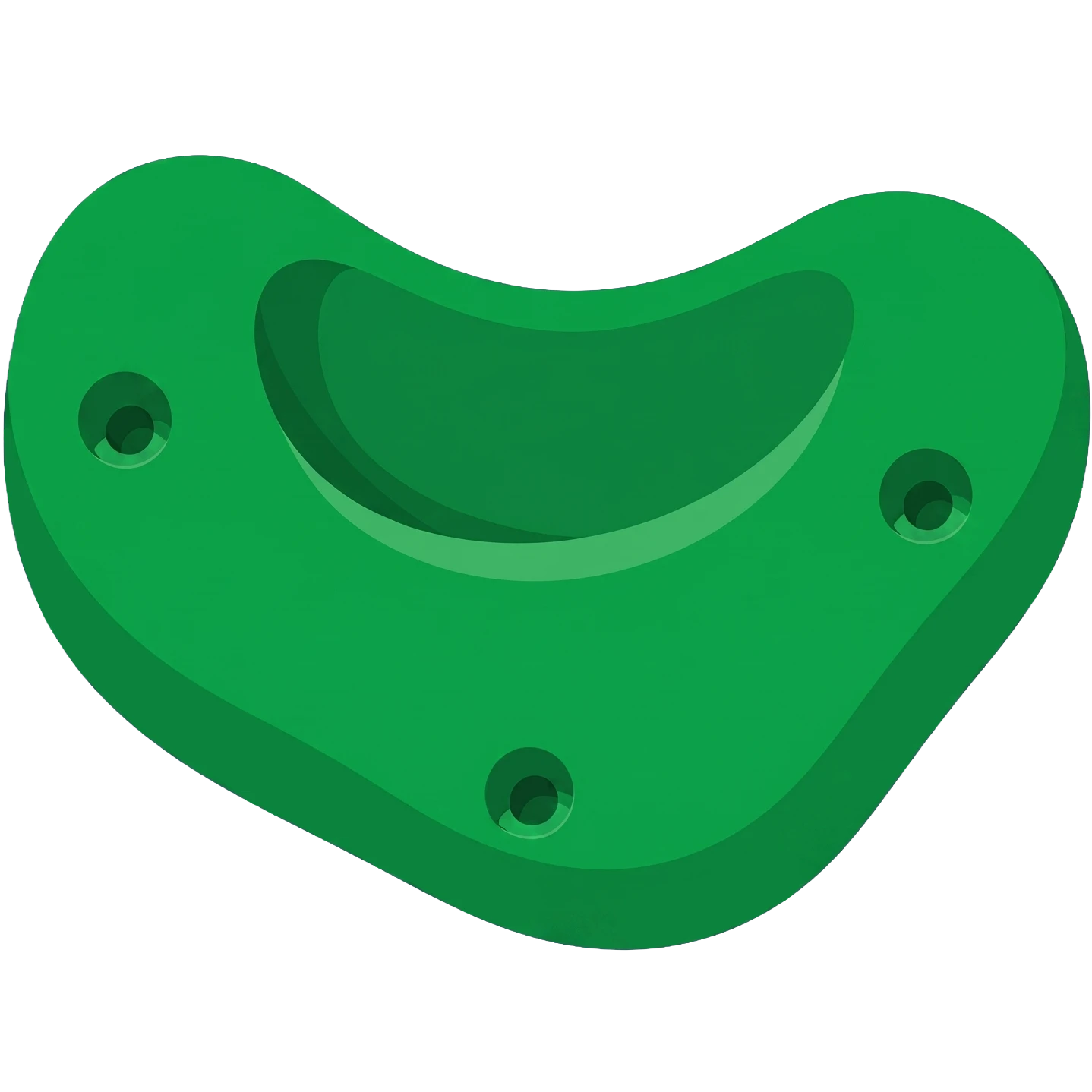
Jug
Jug
A large, deep hold that is easy to grip with the whole hand.
"Thank goodness the last hold on this route is a massive jug."
How to Use Jug Holds Effectively on Steep Overhangs
Also known as "buckets," jug holds feature a deep, positive lip that allows all four fingers to wrap securely over the edge. While jugs dominate beginner V0–V2 boulder problems, route setters also place them on steep roofs and advanced sport routes as recovery stations. According to REI's Expert Advice on Rock Climbing Holds, the most common mistake beginners make on jugs is over-gripping with bent elbows. To maximize efficiency, hang with straight arms ("skeleton hanging"), engage your scapular stabilizers, and shake out one forearm at a time to clear lactic acid.
Types of Jugs You Can Find on the Climbing Wall
Not all jugs feel the same once the wall tilts past 45 degrees. Depending on the manufacturer and rock type, you will encounter three main variations in the gym:
- Deep Buckets: Massive hollow holds capable of fitting both hands comfortably (matching).
- Incut Jugs: Holds with an aggressive internal angle (greater than 90 degrees) that lock your fingers in place on steep roofs.
- Mini-Jugs (Flat Jugs): Smaller, one-pad or two-pad deep grips that feel like a dream on a vertical wall but demand solid core tension on overhangs.

2. Crimp Holds: Mastering Tiny Edges Safely
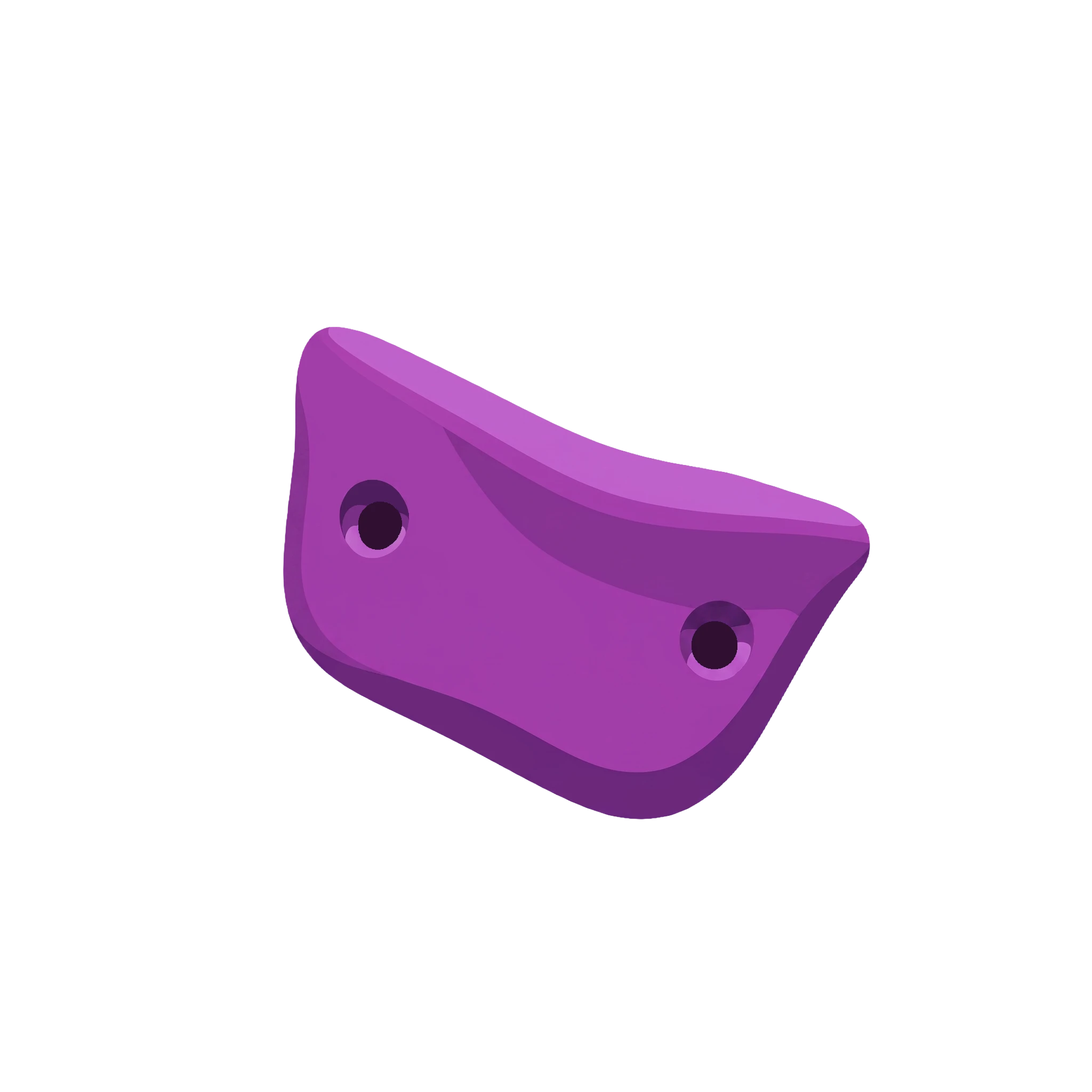
Crimp
Crimp
A very small edge that accommodates only the fingertips. Can be gripped in a "full crimp" or "half crimp".
"The crux move involves pulling hard on a tiny crimp."
Biomechanics of Crimping and A2 Pulley Injury Prevention
A crimp hold measures anywhere from a single finger pad (~20mm) down to razor-thin micro ledges (6mm–10mm). Pulling hard on crimps places immense mechanical stress on the flexor tendons and annular pulleys of your fingers—specifically the A2 and A4 pulleys. Research into climbing hold biomechanics and grip safety highlights that using an open-hand or half-crimp grip should be your default training posture, reserving the closed full crimp strictly for limit-level crux moves.
Different Kinds of Crimps: Full Crimp, Half Crimp & Micro-Crimps
When inspecting real crimp holds indoors or outdoors on granite and limestone, both the shape of the edge and the way you wrap your hand create distinct categories:
- Incut Crimps: Small ledges with a slight lip that catches the tips of your fingers.
- Flat / Sloping Crimps: Ledges tilted downward that punish high elbows; you must keep your wrists low and heels weighted to stay attached.
- Thumb-Catch Crimps: Holds shaped with a tiny lateral dimple allowing you to pinch with your thumb without locking into a full crimp.

3. Edge Climbing Holds: The Foundation of Technical Footwork and Finger Strength
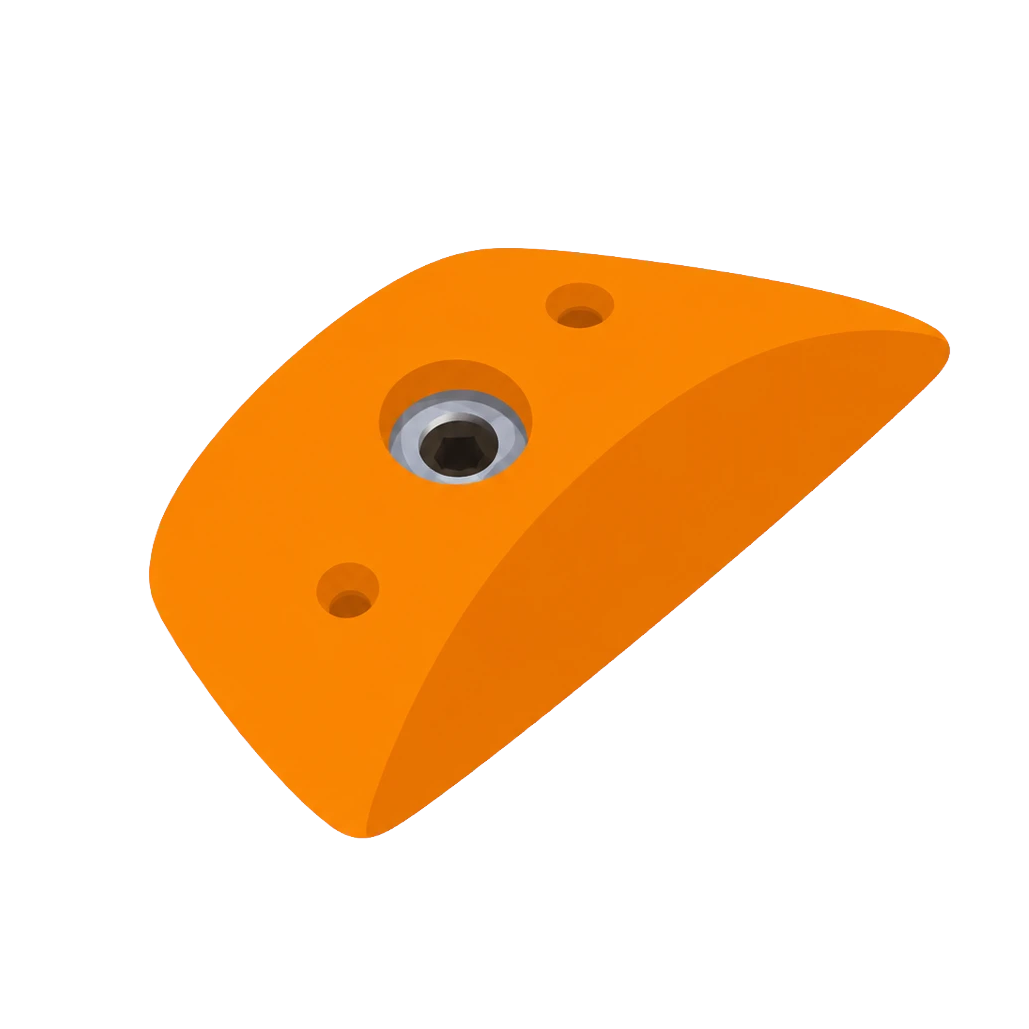
Edge
Edge
A flat, positive hold that is wider than a crimp.
"Stand up tall on that sharp edge."
Edge vs. Crimp: How Depth Changes Your Grip Mechanics
Climbers often confuse edges and crimps, but an edge hold (or ledge) generally accommodates one to two full finger pads (~18mm to 35mm deep) and forms a clean, horizontal shelf against the wall. Because you have more surface area than on a micro-crimp, you can relax your DIP (distal interphalangeal) joints into an ergonomic open-hand drag. Edges are also the primary testing ground for precise footwork—"edging" with the inside or outside rubber of your climbing shoe allows you to transfer up to 70% of your body weight off your forearms.
Types of Edges You Will Encounter Indoors and Outdoors
From standard hangboard rungs to outdoor sport climbs, edges appear in three primary profiles:
- Positive Edges: Cut slightly inward toward the wall, offering secure purchase for warming up.
- 90-Degree Flat Ledges: Classic horizontal rails that test pure vertical finger flexion.
- Rounded / Weather-Worn Edges: Common on sandstone and wooden training walls, where a generous radius reduces skin pain while demanding higher friction.

4. Sloper Holds: How to Trust Friction and Body Positioning
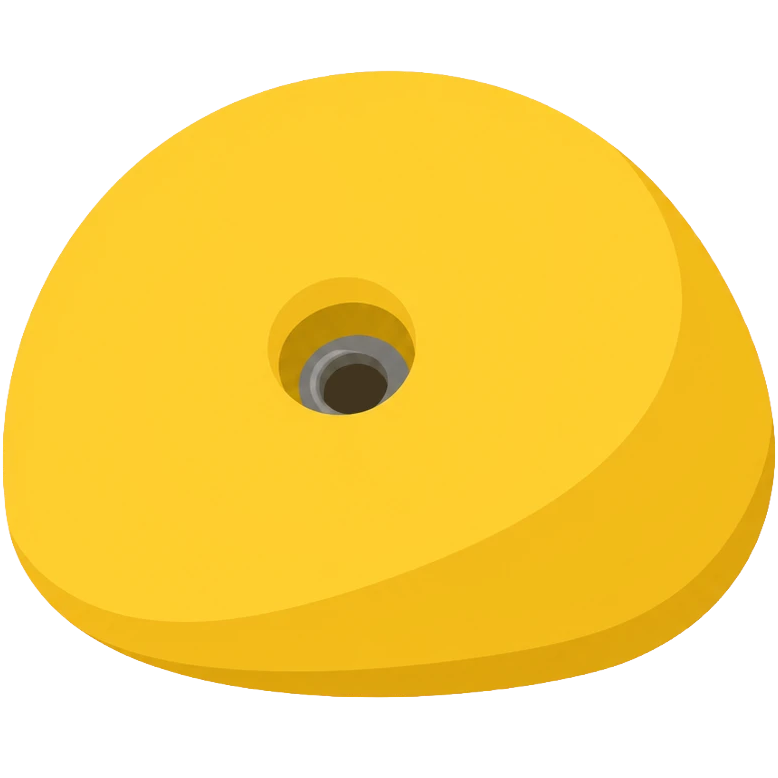
Sloper
Sloper
A rounded hold with no positive edge, requiring an open-hand grip and reliance on friction and body positioning.
"Keep your center of gravity low to stay on the sloper."
The Physics of Slopers: Friction, Surface Area, and Center of Gravity
For many climbers, the sloper is the most frustrating hold type in the gym because brute finger strength won't save you. As explained in Bouldering Project's guide to rock wall grips, mastering slopers requires maximizing skin-to-hold contact area with an open hand and keeping your center of gravity directly perpendicular to the hold's best friction angle. Keep your elbows tucked in, flex your wrists slightly to engage forearm tension, and avoid sudden jerky movements that break static friction.
Types of Slopers in Bouldering and Sport Climbing
When scanning a route, recognizing the specific geometry of a sloper tells you immediately how to position your hips:
- Ball / Dome Slopers: Spherical shapes that allow you to rotate your hand around the hold as you transition from pulling down to pressing into a mantle.
- Sloping Rails (Loaves): Wide, rounded bars often set at 30-to-45-degree angles for compression sequences.
- Dual-Tex Slopers: Modern competition holds where half the surface is glossy and frictionless, forcing you to place your palm on a specific textured patch.

5. Pinch Climbing Holds: Building Crushing Thumb Opposition
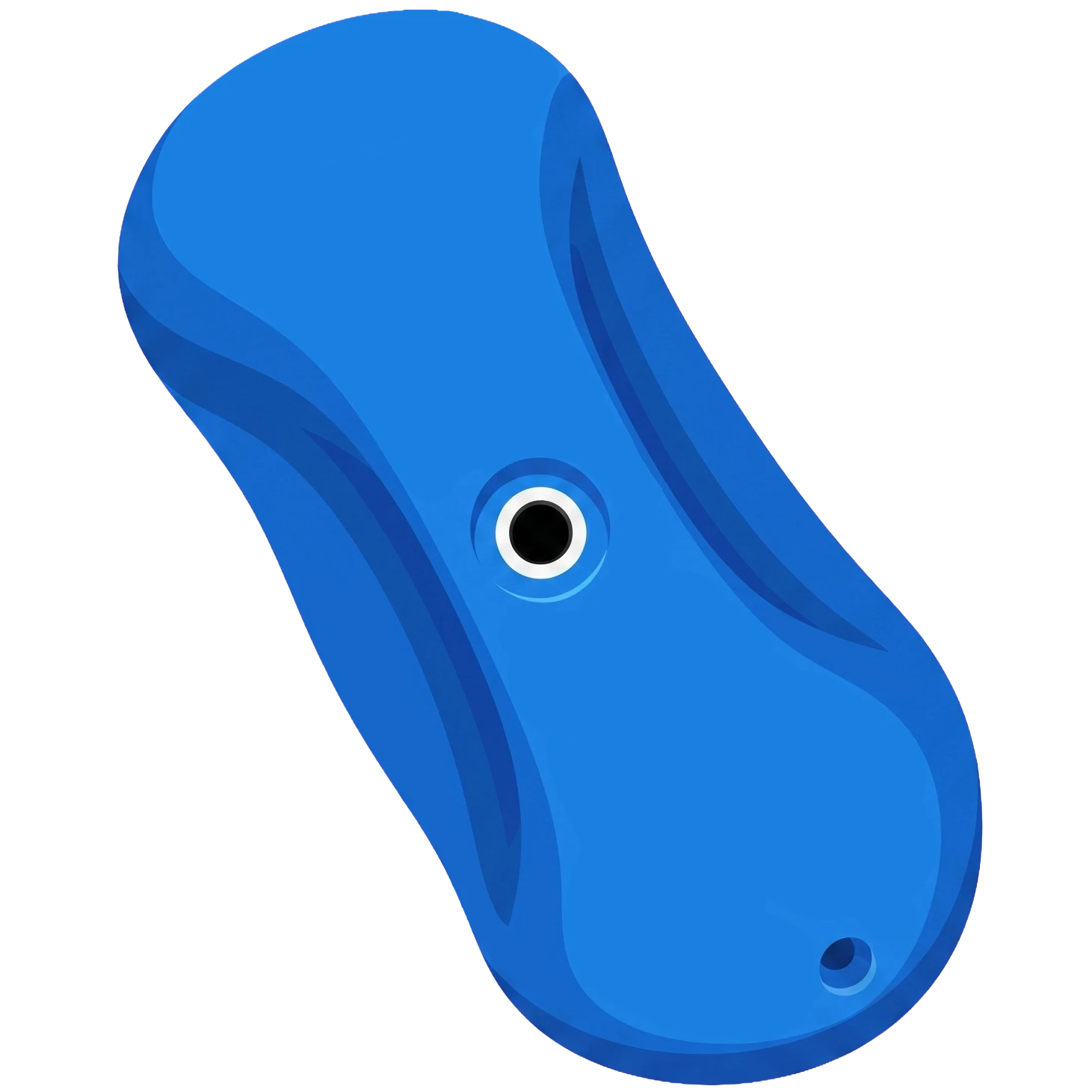
Pinch
Pinch
A hold that must be squeezed between the thumb and fingers, resembling a pinching motion.
"You need strong thumbs to hold onto that vertical pinch."
Why Pinches Challenge Both Your Thenar Muscles and Forearms
Unlike edges where four fingers pull in a single plane, a pinch hold demands active thumb opposition (activating the adductor pollicis and thenar eminence in your palm) alongside finger flexion. To hold a difficult pinch on an overhang, avoid letting your wrist collapse outward; engage your shoulder and rotate your elbow slightly inward to create a mechanical wedge between your thumb and index/middle fingers.
Different Classes of Pinch Holds: Wide, Narrow, and Tufa Pinches
Hand span plays a major role in how a pinch feels. Here are the most common real-world variations:
- Narrow (Micro) Pinches: Thin blocks where your thumb and index finger nearly touch, heavily taxing fingertip pressure.
- Wide Block Pinches: Brick-sized holds that force your hand completely open, blending open-hand sloper mechanics with thumb squeezing.
- Tufa / Rib Pinches: Long, tubular formations (inspired by limestone stalactites in Spain and Greece) that let you walk your hands up a continuous vertical column.

6. Pocket Holds: Precision Pulling for One to Three Fingers
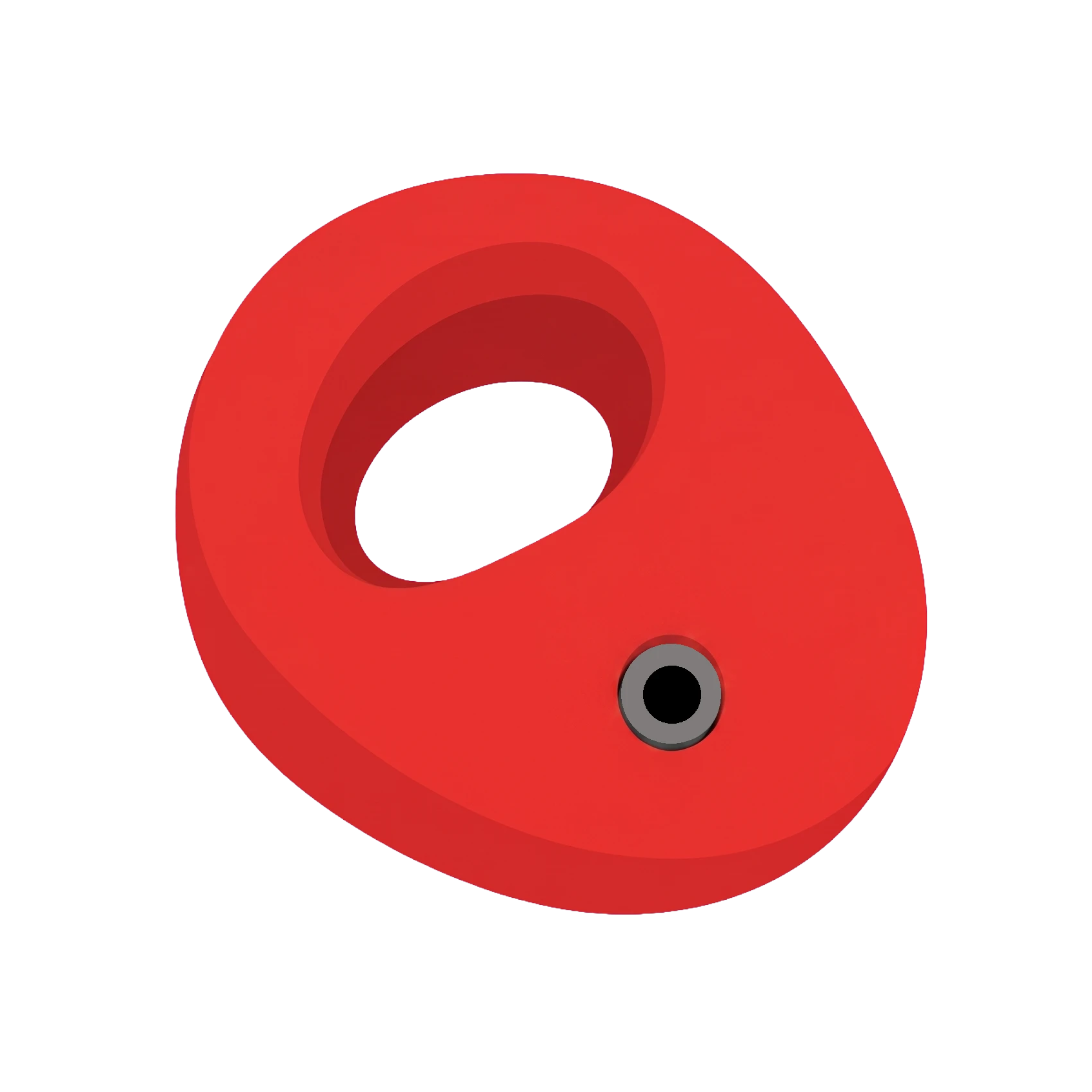
A hole or depression in the rock or wall that can fit one to a few fingers (e.g., mono, two-finger pocket).
"Careful not to strain a tendon on that mono pocket."
How to Grip Pockets Without Triggering the Lumbrical Shift
Common on volcanic tuft (like Smith Rock) and limestone (like Frankenjura), pocket holds isolate one, two, or three fingers inside a recessed cavity. When pulling on a two-finger pocket, always pair your strongest adjacent tendons—typically your middle and ring fingers. Never curl your unused pinky or index finger tightly into your palm while loading a pocket; this creates a shearing force in the palm known as the quadriga effect (or lumbrical tear). Also, never use a full crimp inside a pocket.
Types of Pockets You Will Find on Rock and Resin
Climbers classify pockets by how many fingers fit inside the opening:
- Mono Pocket: A single-finger hole requiring extreme tendon conditioning and delicate foot weighting (typically pulled with the middle or ring finger).
- Two-Finger Pocket (Bi-doigt): The classic sport climbing pocket that tests middle-and-ring finger synergy.
- Three-Finger Pocket (Tri-doigt): A wider opening that feels almost as secure as a small jug when deep, or like a taxing edge when shallow.

7. Climbing Volumes: 3D Architecture on the Bouldering Wall
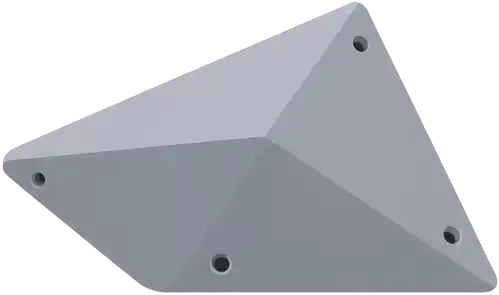
Volume
Volume
A large geometric structure bolted to the wall, often with holds attached, used to change the wall's shape.
"Use the side of the volume to stem across the corner."
Smearing, Compression, and Route Setting with Volumes
Constructed from textured plywood or molded fiberglass, climbing volumes transform flat gym walls into dynamic three-dimensional terrain. As noted in Climbing Business Journal's modern route setting archive, setters use volumes both as giant holds in their own right and as bases to change the angle of smaller holds bolted onto them ("blockers"). Standing on a volume requires smearing—dropping your heels to press maximum shoe rubber flat against the angled face rather than standing on your tiptoes.
Volumes You Can Find in a Modern Climbing Gym
Next time you walk into your local bouldering gym, look out for these signature volume shapes:
- Triangle & Pyramid Volumes: The classic three-sided prism used for stemming in corners, toe-hooking, and slab smearing.
- Diamond & Asymmetric Polygons: Complex multi-faceted shapes designed for compression boulders where you hug the entire structure between both palms.
- Spherical / Fiberglass Macro-Volumes: Rounded 3D domes that blur the line between a massive sloper and a wall feature.

8. Gaston: Mastering the Outward-Pushing Shoulder Move
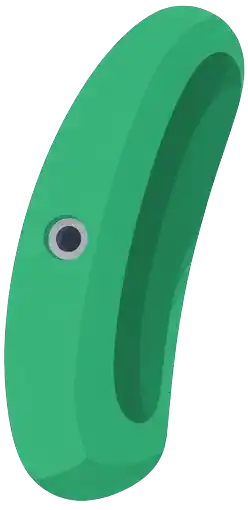
Gaston
Gaston
A hold gripped with the thumb down and elbow out, pulling sideways away from the body.
"You have to gaston with your left hand to reach the next crimp."
Shoulder Stability and Rotator Cuff Care on Gaston Moves
Named after legendary French alpinist Gaston Rébuffat, the gaston isn't a standalone plastic shape—it is any vertically oriented edge, crimp, or pocket where the positive surface faces inward toward your midline. To use it, you rotate your thumb downward, flare your elbow outward, and push/pull laterally as if prying open a pair of elevator doors. According to 99Boulders' guide to climbing moves and holds, dynamic lunges into a gaston place heavy torque on the rotator cuff and posterior deltoid, so keep your scapula engaged and step high to shift your torso close to the hold before pulling across.
Types of Gaston Positions on Bouldering and Sport Routes
Depending on the wall angle and route sequence, you will execute gastons on three common features:
- Vertical Crimp Gastons: Small vertical edges on slab or vertical faces where pushing outward creates balance to step up onto a high foot.
- Crack / Dihedral Gastons: Wedging your fingers inside a vertical seam and prying outward against the wall corner.
- Cross-Through Gastons: Reaching across your chest to grab an inward-facing hold before unravelling your body into the next move.

9. Undercling Holds: Generating Upward Power Through Body Tension
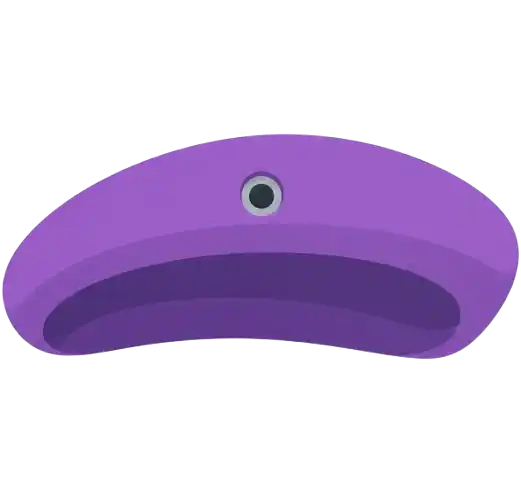
Undercling
Undercling
A hold gripped from underneath, pulling upward while leaning back.
"Get your feet high before you pull on the undercling."
Why High Feet Are the Secret to Every Undercling Move
An undercling flips a traditional hold upside down so the positive lip faces the floor. With your palms facing upward (supinated), your biceps and core work together in opposition against your feet. If your feet are too low, an undercling feels nearly impossible to hold because you cannot generate outward pressure against the wall. Walk your feet up as high as your hip mobility allows, drop your hips slightly back, and drive through your toes to wedge yourself between the footholds and the undercling.
Types of Underclings in Indoor and Outdoor Climbing
Underclings change dramatically depending on how deep the lip is and where it sits relative to your waist:
- Deep Flake Underclings: Large horizontal lips where you can sink all four fingers and lean back comfortably with straight arms.
- High Chest-Level Underclings: Crimp or sloper underclings positioned above your shoulders that demand maximum bicep curl strength and extreme high-stepping.
- Roof-Turn Underclings: Holds set right at the lip of a cave that allow you to invert your grip and swing your feet out over the overhang.

10. Sidepull Holds: Leaning Away to Create Opposing Tension
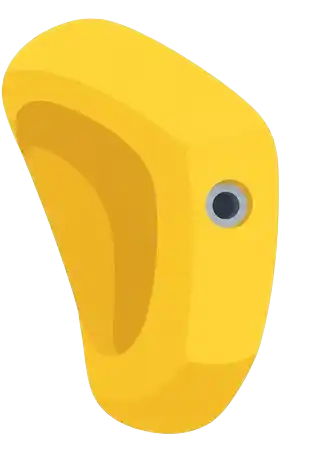
Sidepull
Sidepull
A vertically-oriented hold gripped from the side, requiring opposing body tension to use.
"Lean your body weight away from the sidepull to generate tension."
Sidepull vs. Gaston: How Orientation Dictates Your Hip Position
While both holds are oriented vertically, a sidepull is the anatomical mirror of a gaston: its positive edge faces outward away from your body, and you grip it with your thumb pointing up and elbow tucked in. Because pulling straight down on a vertical rail causes your hand to slip right off, you must place a foot close to the hold's vertical line and lean your hips aggressively in the opposite direction (a technique known in big-wall climbing as a layback).
Types of Sidepulls You Will Encounter on the Wall
Sidepulls appear on everything from delicate slab problems to steep caves:
- Arete Sidepulls: Wrapping your hand around the outside corner of a climbing wall to pull yourself into balance.
- Layback Crack / Flake Sidepulls: Long vertical rails where both hands pull sideways while both feet smear high against the opposite face.
- Crimp Sidepulls: Micro vertical edges that require outside-edge foot flagging (such as a backstep or drop-knee) to keep your hips glued to the wall.

Frequently Asked Questions About Climbing Holds
What are the main types of climbing holds?
The 10 most common climbing hold types and directional grips are Jugs, Crimps, Edges, Slopers, Pinches, Pockets, Volumes, Gastons, Underclings, and Sidepulls.
What is the difference between a sidepull and a gaston in climbing?
Both are vertically oriented holds, but a sidepull faces away from you and is gripped with the thumb pointing up while leaning away, whereas a gaston faces inward toward your body and is gripped with the thumb pointing down and elbow flaring out.
Which climbing hold type is the hardest to grip?
Slopers and mono pockets are widely considered the hardest climbing holds. Slopers have no positive edge and rely purely on open-hand friction and low center of gravity, while mono pockets isolate all load onto a single finger tendon.
Level Up Your Climbing Vocabulary with Slabby
Recognizing climbing hold types from the ground lets you read sequences faster, conserve forearm energy, and communicate beta clearly with your climbing crew. Whether you are projecting your first V2 or working technical gastons and mono pockets, combining visual hold recognition with proper body tension is the fastest shortcut to climbing harder grades.
Ready to test your knowledge? Head over to Slabby or download the free Slabby App on Android (Google Play) and iOS (App Store) to study all 100+ climbing flashcards, hear native English pronunciations, and play interactive memory games before your next gym session!
Get Slabby on Your Phone
Learn climbing terms anytime, anywhere with flashcards & quizzes.